Manufacturing • Craftsmanship • Quality Control • Repeat Production
Leather Goods Manufacturing & Quality Standards at Santoshi Leather Works
Santoshi Leather Works is a leather goods manufacturer in India serving wholesale, OEM, private-label, uniform, equestrian, retail, distribution, import, and international B2B markets. Our manufacturing experience reaches back to the 1970s, combining generations of practical leather craftsmanship with the production discipline required for today’s repeat-order and buyer-specific manufacturing programs.
A Manufacturer, Not Just a Product Source
Decades of Hands-On Leather Manufacturing
Santoshi Leather Works began in the 1970s under Mr. Tomar. More than five decades later, Mr. Tomar remains involved in the business in his 80s, while his family continues the manufacturing legacy with the same hands-on energy, responsibility, and commitment to leather craftsmanship.
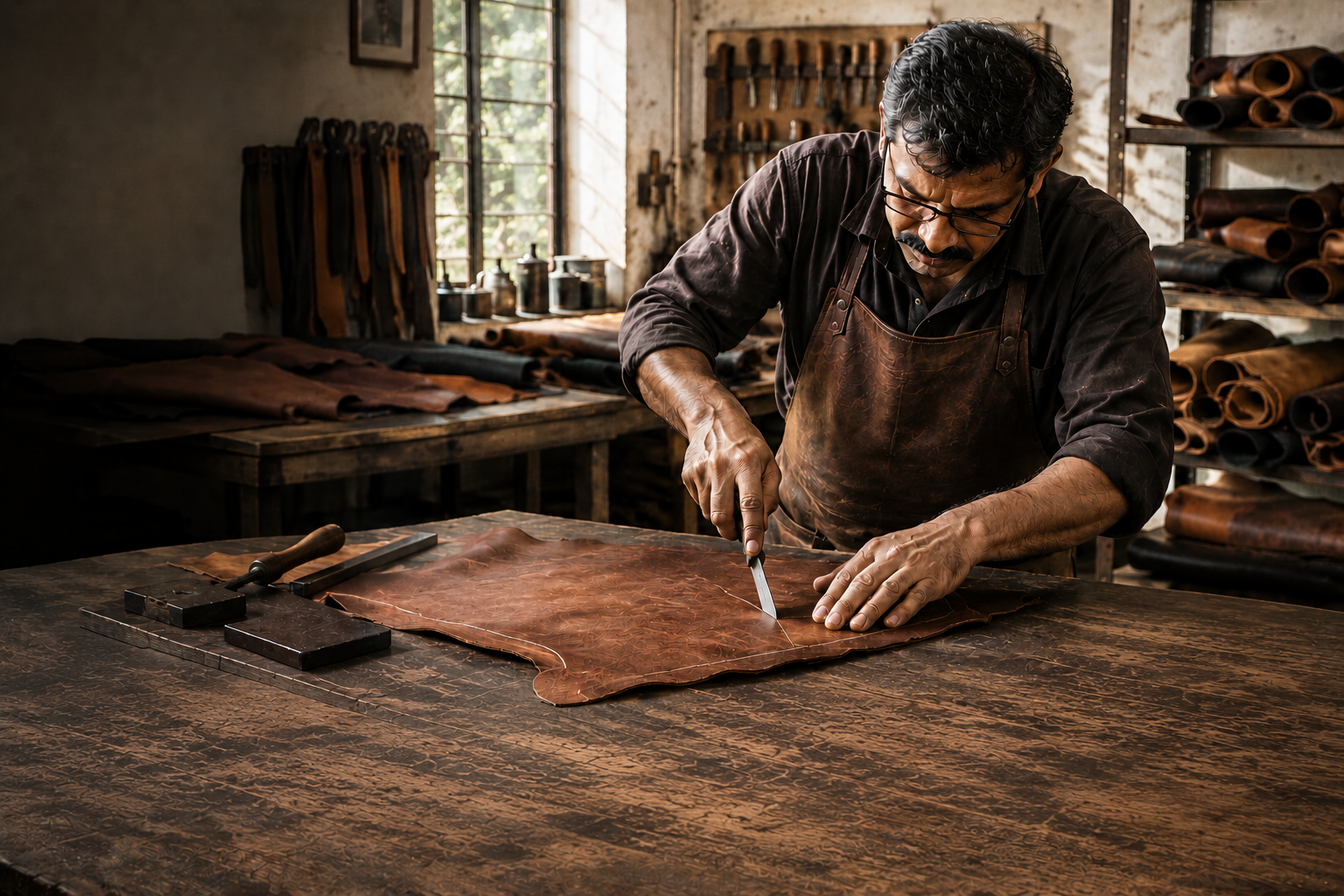
That history matters because leather manufacturing is learned through more than specifications on paper. Material behavior, cutting, shaping, stitching, hardware placement, construction, finishing, and the practical differences between product categories develop through years of working directly with leather.
Today, that accumulated knowledge supports a broader manufacturing operation serving buyers that need leather belts, leather holsters, Western horse tack, saddles, police and security leather gear, leather dog gear, EDC leather products, and buyer-specific OEM and private-label programs.
One Leather Manufacturing Workshop. Multiple Product Categories.
Santoshi Leather Works supports buyers across several leather product markets. Each category requires its own patterns, construction methods, materials, hardware, dimensions, finishing, and functional understanding. Our manufacturing approach begins with the product itself rather than treating every leather item as the same.
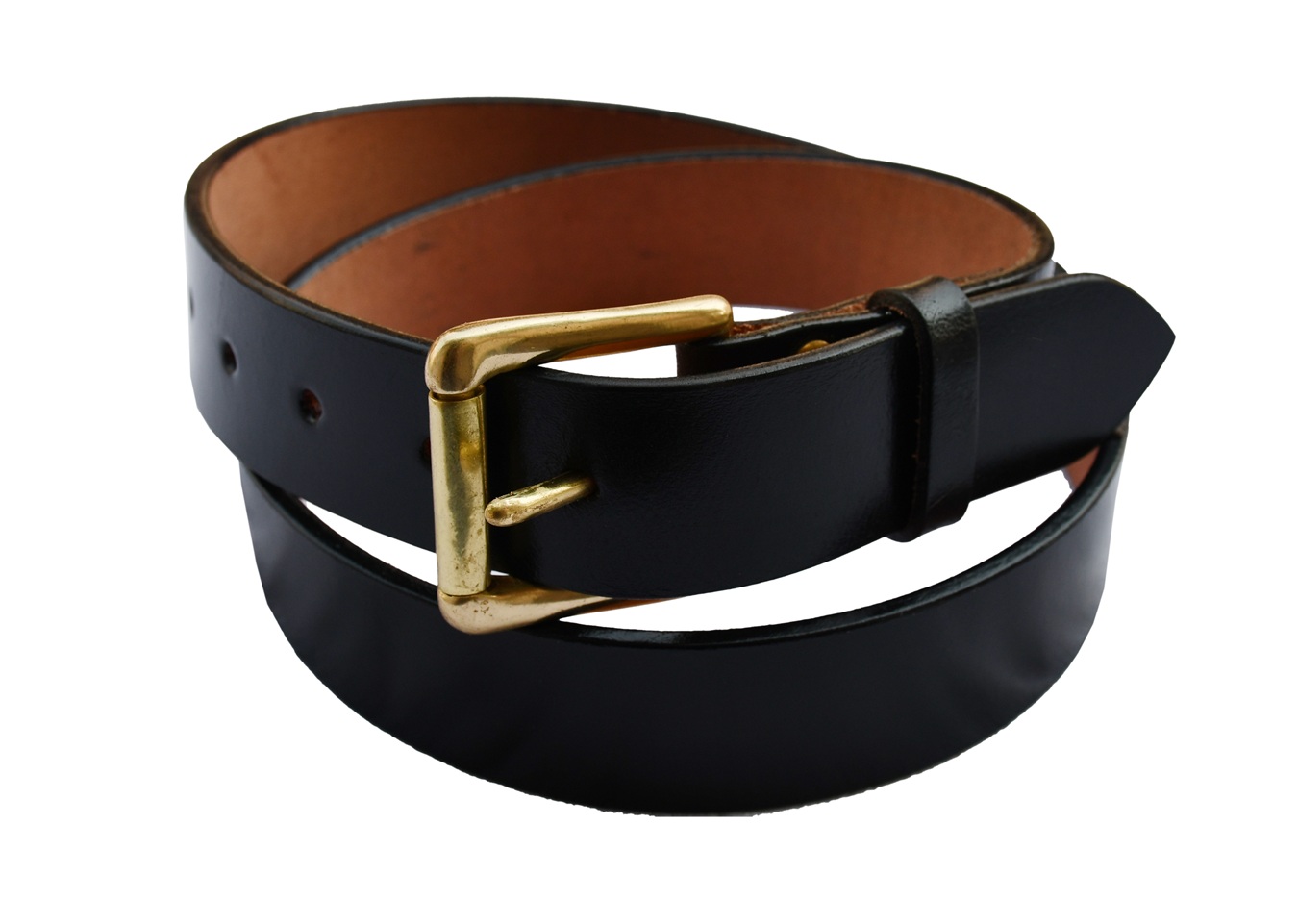
Leather Belts
Manufacturing capabilities include formal leather belts, uniform belts, police and military belts, Sam Browne belts, Western leather belts, leather ammo belts, tool belts, and private-label belt programs.
Leather Holsters
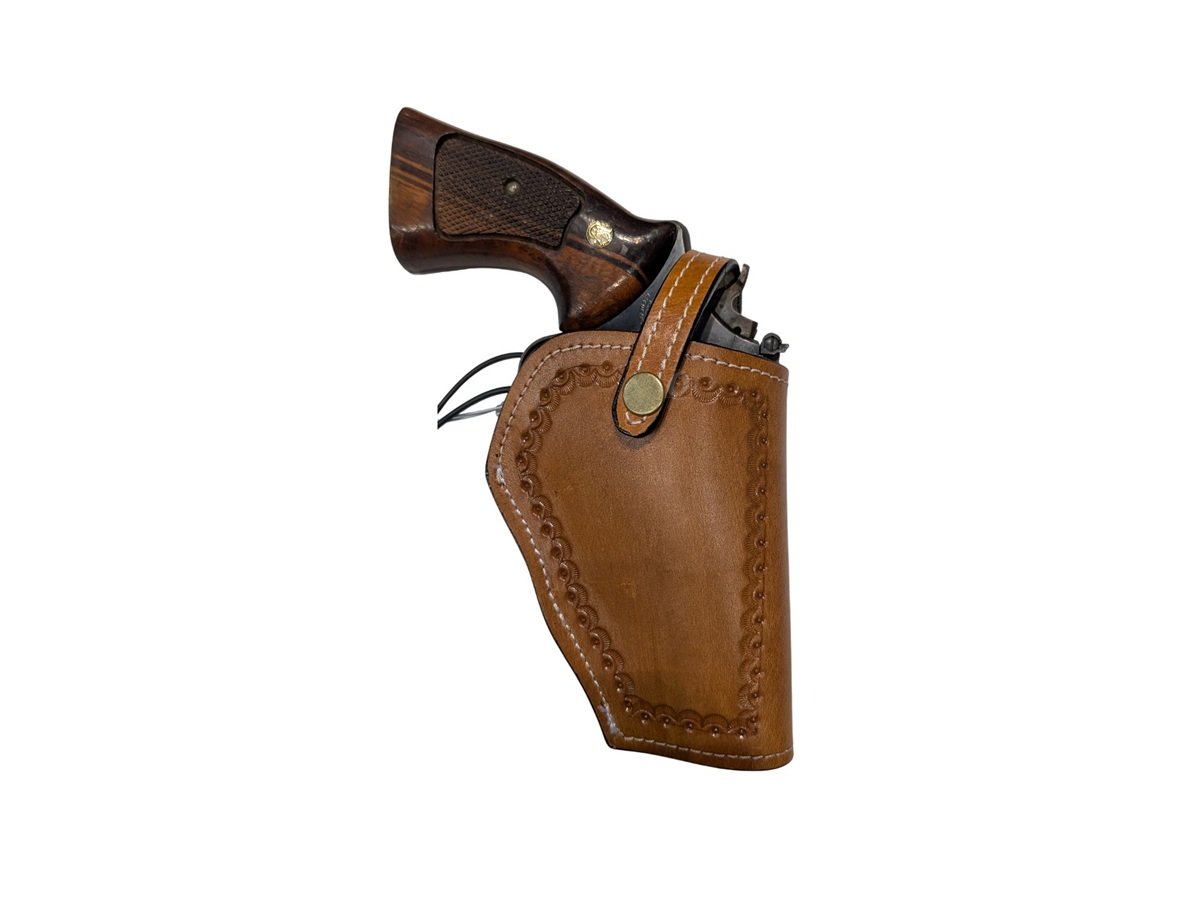
Western leather holsters, revolver holsters, semi-auto pistol holsters, everyday-carry holsters, open-carry and concealed-carry designs, police service holsters, private-security holsters, and firearm-specific programs.
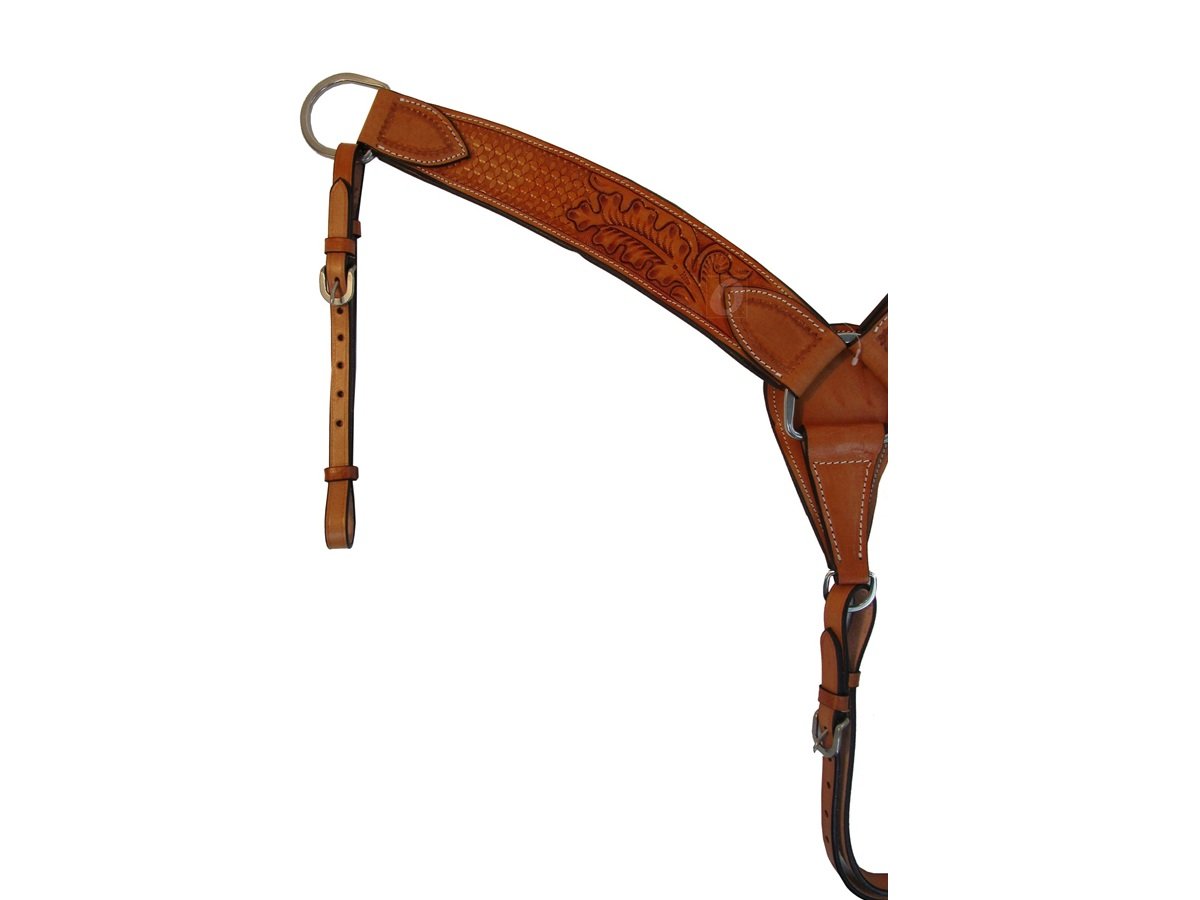
Western Horse Tack & Saddles
Western saddles, leather headstalls, bridles, breast collars, saddle fenders, Western saddle cinches, leather reins, riding straps, and coordinated private-label tack sets.
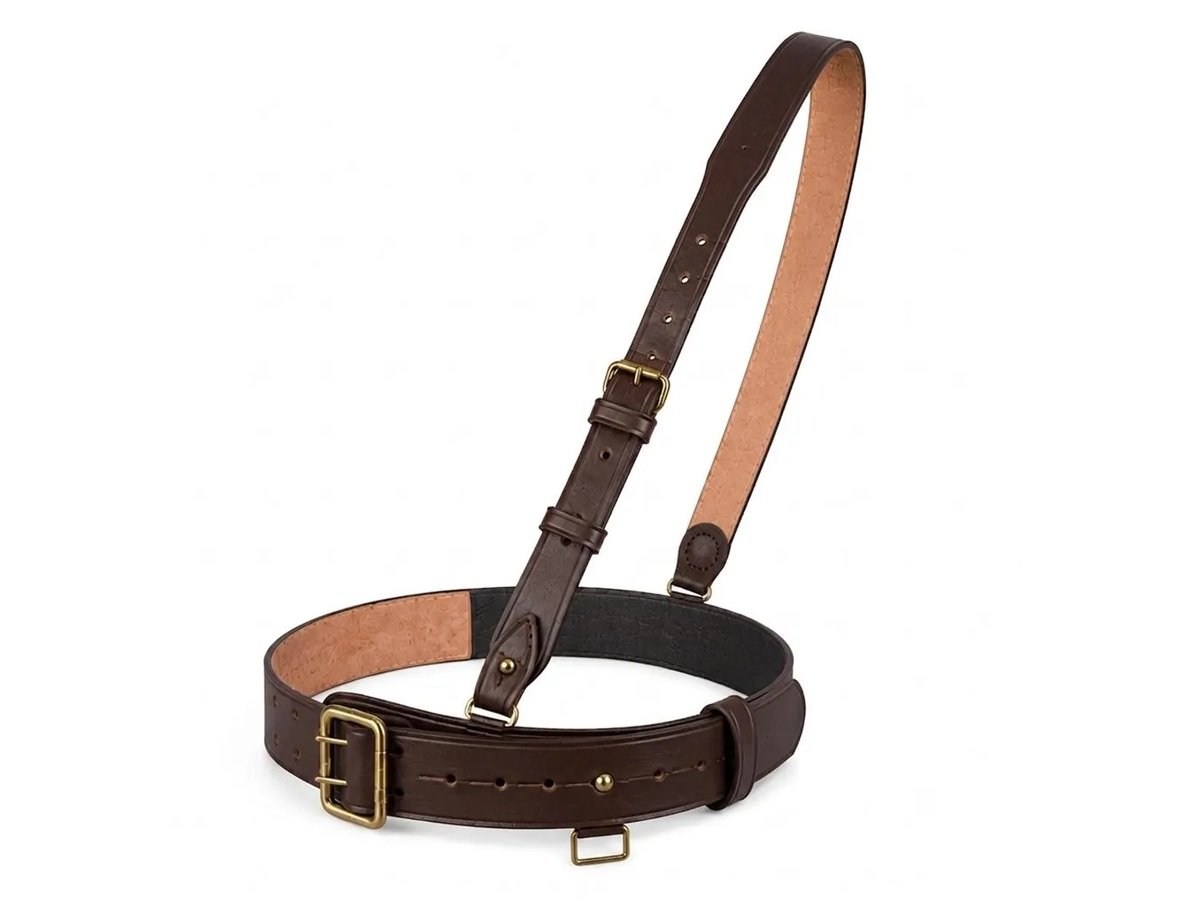
Police, Military & Security Leather Gear
Professional leather manufacturing includes Sam Browne belts, police duty belts, military leather belts, private-security uniform belts, service holsters, sword frogs, DMS boots, and related uniform equipment.
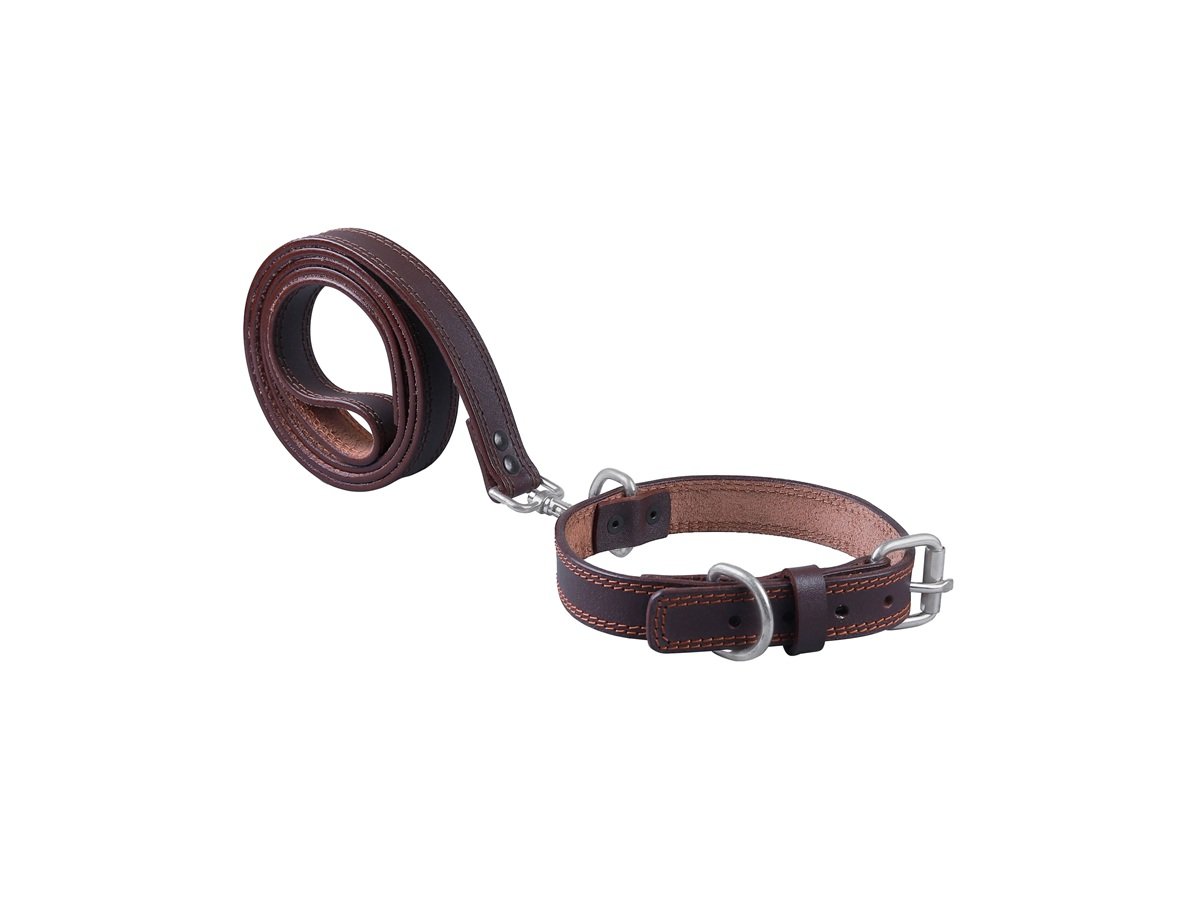
Leather Dog Gear
Leather dog collars, leather harnesses, leashes, leads, coordinated dog gear, and buyer-specific products for pet retailers, wholesalers, distributors, and private-label brands.
EDC Leather Gear
Leather knife sheaths, ammo holders, ammunition carriers, cartridge accessories, leather wallets, and other everyday-carry leather goods for wholesale, retail, and private-label programs.
From Buyer Specification to Finished Leather Goods
A Western saddle and a formal leather belt are very different products, just as a firearm-specific holster differs from a dog collar. Yet dependable B2B manufacturing follows a disciplined principle: understand the requirement, establish the product specification, control production, inspect the result, and reproduce the approved product consistently.
Specification Review
Product dimensions, intended use, leather, hardware, construction, color, branding, quantity, packaging, and buyer requirements are reviewed.
Leather & Material Selection
Leather and related materials are selected according to the product’s structure, appearance, finish, function, and approved buyer specification.
Pattern & Cutting
Product patterns and approved dimensions guide cutting and component preparation for controlled production.
Tooling, Shaping & Forming
Where required, leather components are shaped, formed, tooled, decorated, or prepared according to the product design.
Stitching & Assembly
Product components are assembled with attention to alignment, reinforcement, functional construction, and repeatability.
Hardware Installation
Buckles, snaps, rivets, rings, keepers, fittings, and other hardware are installed according to the product specification.
Finishing & Detailing
Edge work, surface finishing, cleanup, product detailing, and visible construction are reviewed before final inspection.
Inspection, Packing & Dispatch Preparation
Finished goods are reviewed and prepared according to the agreed wholesale, OEM, private-label, or export supply program.
Material Comes First
Leather Selection According to Product Function
Leather cannot be selected only by appearance. A formal leather belt, Sam Browne belt, Western saddle, service holster, breast collar, dog harness, knife sheath, and wallet each place different demands on the material.
Material selection begins with the intended product, construction method, required structure, thickness, finish, appearance, target market, and buyer specification.
For B2B production, consistency also matters. A material choice that works for the first sample needs to remain suitable when the product moves into a larger wholesale or repeat-production program.
- Review intended product and end use.
- Consider required leather structure and thickness.
- Match finish and color to the approved specification.
- Consider flexibility, support, and construction needs.
- Review material consistency for repeat production.
Control Begins With Dimensions
Pattern Development & Controlled Leather Cutting
Repeatable manufacturing begins before stitching. Product measurements, approved patterns, component dimensions, and construction requirements guide the cutting process.
This becomes particularly important when manufacturing firearm-specific leather holsters, sized leather belts, saddle fenders, adjustable horse tack, dog harnesses, uniform gear, or any product where component dimensions affect fit and function.
Controlled patterns also help reduce unnecessary variation when a buyer returns for another order of an established product.
- Follow approved product measurements.
- Prepare components according to established patterns.
- Maintain repeatable sizing between units.
- Match corresponding components before assembly.
- Use approved dimensions as the reference for repeat production.
Product-Specific Craftsmanship
Tooling, Shaping & Forming According to the Design
Not every leather product requires the same preparation. Western belts and horse tack may include decorative tooling. A leather holster may require shaping around its intended profile. Other products may depend on clean, structured leather with minimal decoration.
The manufacturing method therefore follows the approved product rather than forcing every item through one generic process.
- Follow the approved tooling or decorative pattern where required.
- Shape components according to the product design.
- Maintain design placement across matching or repeat items.
- Prepare leather appropriately before assembly.
- Keep functional requirements ahead of unnecessary decoration.
Construction Before Appearance
Stitching, Reinforcement, Assembly & Hardware
A leather product must first perform the job it was designed to do. Stitching, reinforcement, component alignment, hardware placement, and assembly are therefore part of the manufacturing standard, not simply cosmetic details.
The requirements vary by product. A saddle fender carries different loads than a formal belt. A dog harness requires different movement than a knife sheath. A service holster has different construction requirements from a leather wallet.
- Review stitching against the approved construction.
- Maintain component alignment during assembly.
- Use reinforcement where required by the product design.
- Install specified buckles, snaps, rivets, rings, keepers, and fittings.
- Check functional movement and adjustment where applicable.
- Review visible stitching and hardware before finishing.
Different Leather Products Require Different Manufacturing Standards
Experience across multiple leather categories matters because dimensions, stress points, adjustment, fit, hardware, flexibility, structure, and finishing change according to the product. Manufacturing should reflect those differences.
Leather Belt Manufacturing
Formal belts, uniform belts, Sam Browne belts, Western belts, ammo belts, and tool belts differ in width, thickness, buckle configuration, reinforcement, finish, and intended load.
Leather Holster Manufacturing
Revolver and semi-auto pistol holsters depend on firearm profile, barrel length, carry configuration, retention, belt attachment, reinforcement, and buyer requirements.
Western Horse Tack Manufacturing
Saddles, fenders, breast collars, headstalls, cinches, reins, and related riding gear require attention to adjustment, hardware, strength, dimensions, and practical riding use.
Police & Security Gear Manufacturing
Sam Browne belts, duty belts, service holsters, sword frogs, uniform belts, and related professional gear are manufactured around defined product specifications and intended use.
Leather Dog Gear Manufacturing
Dog collars, harnesses, leashes, and leads require appropriate sizing, adjustment, hardware placement, stitching, movement, and practical construction.
EDC Leather Goods Manufacturing
Knife sheaths, ammo carriers, wallets, and other everyday-carry products require compact construction, controlled dimensions, usable access, and appropriate finishing.
Before Repeat Production
Sample Development & Buyer Approval
For buyer-specific, OEM, or private-label manufacturing, the first objective is to understand exactly what is expected from the product.
A buyer may provide photographs, drawings, measurements, an existing physical sample, product specifications, leather requirements, hardware details, branding instructions, or packaging expectations.
These references help define what the finished product should become. Where sample development is part of the program, the approved product and agreed specification can then become the manufacturing reference for bulk and repeat production.
- Review photographs, drawings, dimensions, or existing samples.
- Clarify material, hardware, construction, and finish.
- Confirm buyer-specific branding where applicable.
- Review changes before larger production begins.
- Use the approved specification as the repeat-production reference.
Your Brand. Our Manufacturing Capability.
OEM & Private Label Leather Goods Manufacturing
Santoshi Leather Works supports B2B buyers that need more than an existing catalog product. Suitable programs can be reviewed around buyer-specific designs, established products, samples, drawings, dimensions, materials, hardware, colors, branding, packaging, and target quantities.
OEM and private-label leather manufacturing may involve a single product or a coordinated collection across leather belts, holsters, horse tack, dog gear, EDC leather goods, or professional uniform equipment.
- Product photographs
- Technical drawings
- Physical samples
- Product dimensions
- Leather requirements
- Hardware specifications
- Color & finish
- Tooling & decoration
- Branding requirements
- Packaging requirements
- Target quantities
- Destination market
Already Have a Product You Want Manufactured?
Send us the clearest information available: photographs, drawings, measurements, samples, materials, target quantity, market, branding, and packaging requirements. The project can then be reviewed against Santoshi Leather Works’ manufacturing capabilities.
Discuss Your OEM ProjectThe Final Details Matter
Finishing & Product Presentation
A wholesale leather product does not finish at the last stitch. The final appearance matters to retailers, distributors, private-label brands, uniform suppliers, tack businesses, and other professional buyers.
Finishing includes attention to visible edges, leather surface condition, cleanliness, hardware presentation, stitching, product shape, and overall appearance.
For coordinated collections, buyers may also require consistency in leather color, tooling, hardware style, branding placement, and presentation across several products.
- Review edge finishing and visible surfaces.
- Remove production residue and loose material.
- Inspect visible stitching and hardware.
- Review tooling or decorative consistency where applicable.
- Compare overall appearance with the approved product.
Quality Beyond the First Sample
Quality Control for Wholesale, OEM & Repeat Production
A B2B manufacturing program is not proven by one good sample. The real test is whether the agreed product characteristics can be carried through a larger order and future repeat production.
Quality control therefore focuses on the details that define the approved product and matter to the buyer’s program.
- Product dimensions
- Material consistency
- Leather color & finish
- Stitching
- Component alignment
- Hardware placement
- Construction
- Adjustment ranges
- Tooling & decoration
- Branding placement
- Product appearance
- Packaging requirements
Approved Specification = Production Reference
Once a B2B product program is approved, its agreed dimensions, materials, construction, hardware, color, finish, branding, and packaging become important reference points for manufacturing.
If a buyer changes a specification, the change should be understood before the affected production begins.
Explore OEM & Private LabelWhat International B2B Buyers Need From Repeat Production
The strongest manufacturing relationship is not built around the first order alone. It develops when an importer, wholesaler, distributor, retailer, uniform supplier, equestrian business, or private-label brand can return for another production run with confidence.
Specification Control
Approved measurements, materials, construction details, hardware, colors, branding, and other product requirements provide the reference for repeat manufacturing.
Production Consistency
Repeat orders should maintain the important characteristics that made the approved product acceptable to the buyer, while recognizing the natural character of genuine leather.
Clear Communication
New dimensions, materials, colors, quantities, hardware, branding, packaging, or product changes should be understood before production begins.
Your Brand on the Finished Product
Private Label Branding & Packaging
For private-label manufacturing, the buyer’s product identity does not end with the leather item itself. Branding, labels, tags, packaging, product grouping, and presentation may all form part of the approved program.
These requirements should be defined before repeat production so the finished goods remain consistent with the buyer’s market, retail presentation, and brand expectations.
- Review approved logo or branding placement.
- Confirm labels, tags, or other product identification.
- Follow agreed packaging requirements.
- Maintain presentation consistency across repeat orders.
- Avoid unapproved changes to branded product details.
Prepared for B2B Supply
Wholesale Packing & Export Preparation
Manufacturing is only one part of a wholesale leather goods order. Finished products also need to be grouped, counted, protected, labeled, and prepared according to the agreed commercial program.
For export and international supply, the buyer’s requirements may include private-label presentation, product grouping, protective packing, carton organization, and other shipment-preparation details.
- Review finished quantities before packing.
- Group products according to the buyer’s program.
- Follow approved labeling and private-label requirements.
- Protect finished leather surfaces during packing.
- Prepare cartons and product groupings for dispatch coordination.
Leather Manufacturing for International B2B Buyers
Santoshi Leather Works supports importers, wholesalers, distributors, retailers, uniform suppliers, equestrian businesses, private-label brands, and other commercial buyers that need leather manufacturing for international markets.
United States
Leather manufacturing for importers, Western retailers, tack businesses, holster companies, uniform suppliers, pet-product businesses, outdoor brands, distributors, and private-label buyers.
Europe
OEM and wholesale leather manufacturing for importers, sourcing companies, equestrian businesses, specialty retailers, professional suppliers, and private-label brands.
Australia & Other International Markets
Leather manufacturing for Western, equestrian, outdoor, professional, retail, wholesale, distribution, and private-label buyers seeking repeat supply from India.
Knowledge Carried Forward
From Mr. Tomar’s Workshop to the Next Generation
Santoshi Leather Works was started by Mr. Tomar in the 1970s. The business grew from hands-on leather work, practical manufacturing knowledge, and the responsibility of producing goods that customers could depend on.
Today, Mr. Tomar is in his 80s and remains actively involved. Around him, his family has carried the business forward, continuing the work with the same sense of energy, responsibility, and connection to the craft.
Machinery, markets, product requirements, communication, and international sourcing continue to change. But one principle has remained: understand what needs to be made, respect the material, pay attention to construction, and stand behind the work.
For an international buyer, that continuity means Santoshi Leather Works is not trying to become a leather manufacturer. Manufacturing is the work the family has already been doing for generations.
Manufacturing Is Only the Beginning
Built for Long-Term Wholesale, Import & Private-Label Partnerships
A strong B2B relationship is not simply a buyer placing an order and a factory shipping a box. It depends on both sides understanding the product, communicating clearly, solving practical manufacturing questions, and building confidence through completed production.
Santoshi Leather Works aims to work as a manufacturing and production partner for businesses that value continuity, practical communication, buyer-specific development, repeatable manufacturing, and the ability to grow a product program over time.
Whether the requirement is one established leather product, a complete private-label collection, a Western tack program, a professional uniform equipment range, or several leather categories sourced through one manufacturer, the objective is to build a relationship strong enough for the next order, and the order after that.
Looking for a Leather Goods Manufacturer in India?
If you are sourcing leather belts, leather holsters, Western horse tack, Western saddles, police or security leather gear, leather dog products, EDC leather goods, or an OEM and private-label leather collection, send us your photographs, drawings, specifications, dimensions, materials, quantities, target market, branding, packaging, or existing product samples.
Discuss Your Leather Manufacturing Requirements